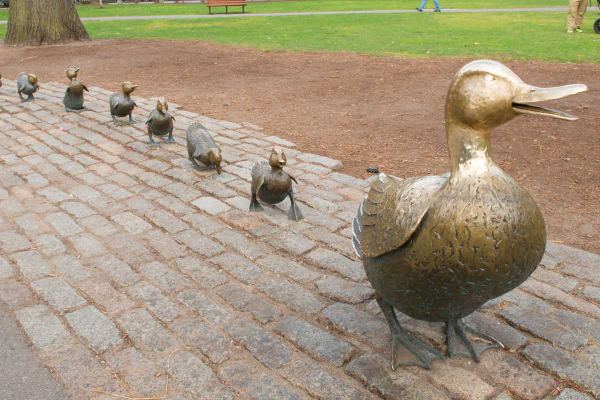
Boston is 48 square miles, and its neighborhoods change character block by block in a way that most American cities do not. Cross Cambridge Street from Beacon Hill's gas lamps and you are in the West End's hospital towers. Walk under the Greenway from the glass of the Financial District and you are on a 1700s street in the North End with laundry hanging over it. Nobody planned this, which is why it works.
This hub covers the 16 Boston neighborhoods people actually ask about, including Cambridge and Somerville across the river, which are technically separate cities and practically not. Each has its own guide covering what it is known for, how to get there, what to do, where to eat and drink, and who it suits, whether you are visiting for a weekend, choosing a hotel, or signing a lease.
Start with the five most-visited neighborhoods below, use the comparison table if you are deciding between them, and read the "which neighborhood is right for you" section if you are moving here.
The short answer
The 10 best neighborhoods in Boston, by what you want
- North End: food, history, atmosphere
- Beacon Hill: the prettiest streets
- Back Bay: shopping, hotels, the library
- Seaport: harbor views and rooftops
- Harvard Square: bookstores and the Yard
- South End: the best restaurants
- Somerville: bars, music, breweries
- Jamaica Plain: parks and a slower pace
- Fenway: the ballpark and the museums
- East Boston: the skyline view nobody sees
01
Start here: the five neighborhoods every visitor walks
North End
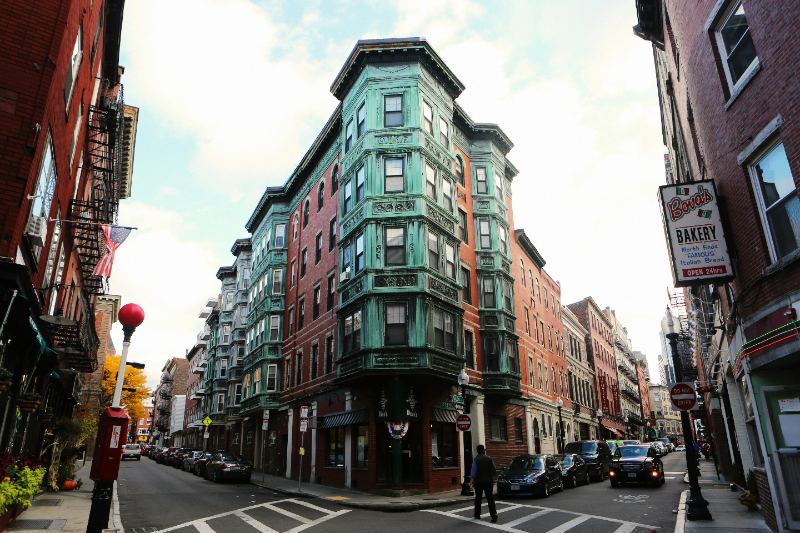
Boston's oldest neighborhood and its Italian one: Paul Revere's House, the Old North Church, nearly 100 restaurants and the cannoli argument.
Beacon Hill
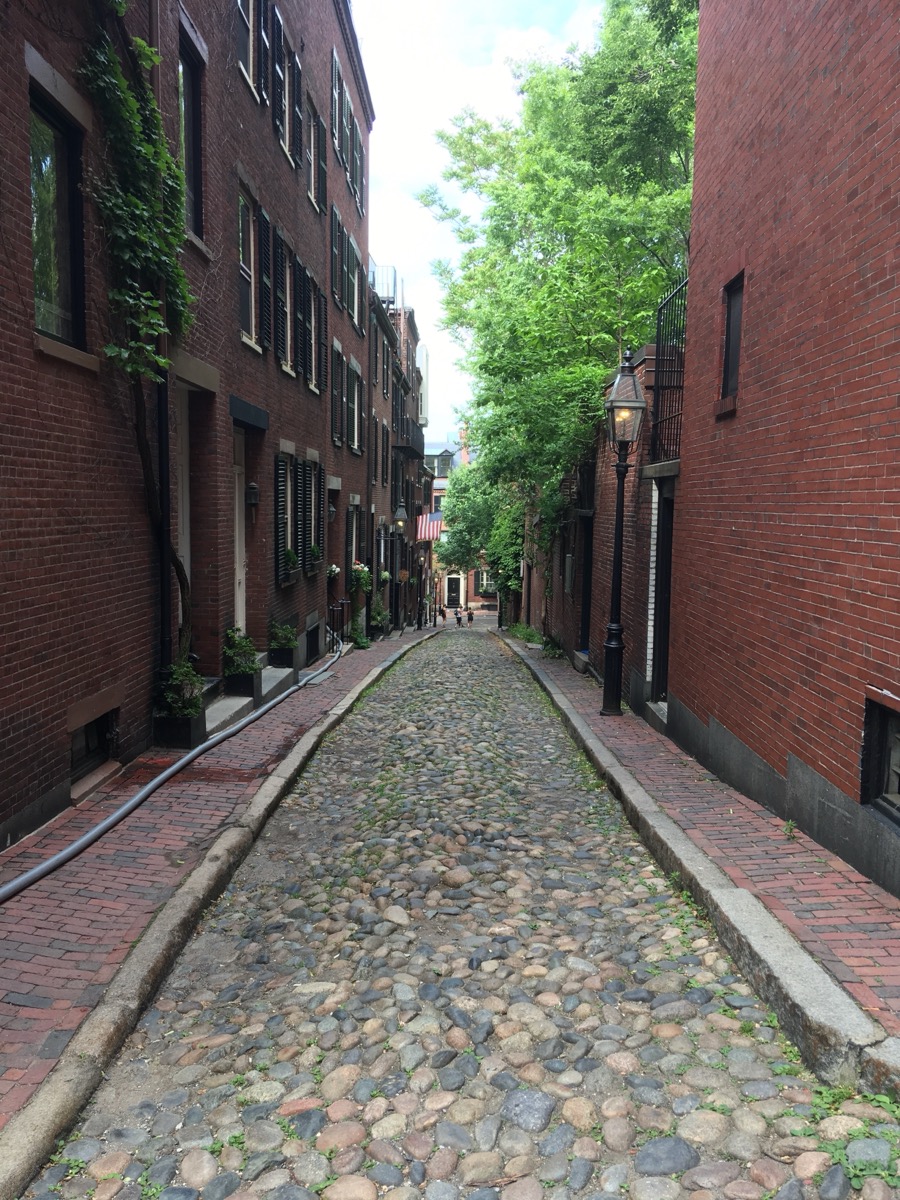
Gas lamps, brick sidewalks, Acorn Street, the State House and Charles Street's antique shops. Fifteen minutes end to end and every minute pretty.
Back Bay
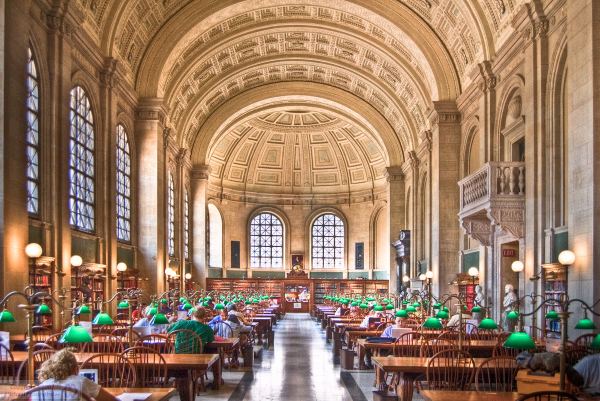
Victorian brownstones on a grid, Newbury Street, Copley Square, the library and the Esplanade. Where most first-time visitors stay.

Seaport
The new district on the harbor: the ICA, the Harborwalk, rooftop bars, seafood and the best close-up skyline view in the city.
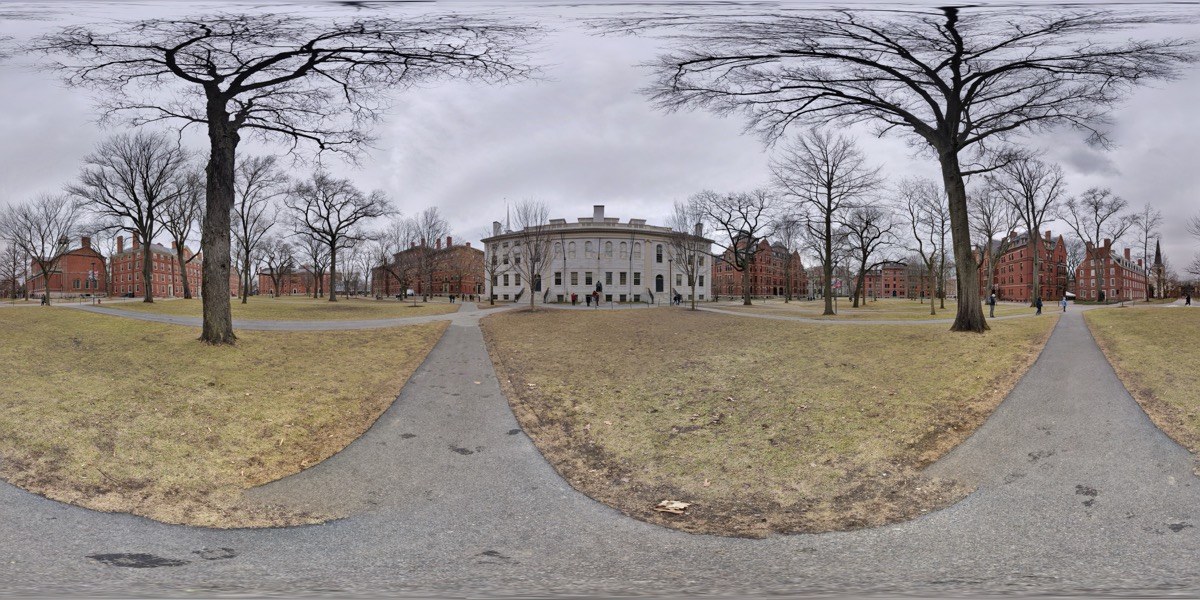
Cambridge: Harvard Square
Harvard Yard, the free art museums, bookstores open late, street musicians and the river five minutes away. Across the water and worth it.
02
Compare all 16 Boston neighborhoods
Each row links to the full guide. The T column is the stop you will actually use, not the only one.
| Neighborhood | Known for | Nearest T | Best for |
|---|---|---|---|
| North End | Italian restaurants, Freedom Trail sites, narrow 1700s streets | Haymarket (Orange/Green) | Dinner, history, a first evening |
| Beacon Hill | Gas lamps, Acorn Street, the State House, Charles Street | Charles/MGH (Red) | Walking, photos, quiet stays |
| Back Bay | Brownstones, Newbury Street, the library, Copley Square | Copley (Green) | Hotels, shopping, first visits |
| Seaport | ICA, Harborwalk, rooftop bars, new towers | Courthouse (Silver SL1/SL2) | Views, groups, nights out |
| Harvard Square | Harvard Yard, bookstores, free museums, cafés | Harvard (Red) | Culture, an afternoon and evening |
| Downtown / Financial District | Freedom Trail start, Faneuil Hall, Downtown Crossing, offices | Park Street / State / Downtown Crossing | Central hotels, transit, sightseeing base |
| South End | Victorian rowhouses, the best restaurants, SoWa market, galleries | Back Bay (Orange) / Tufts Medical | Dinner, brunch, living |
| Fenway–Kenmore | Fenway Park, the MFA and Gardner, students, Lansdowne Street | Kenmore (Green B/C/D) | Games, museums, young renters |
| Chinatown | Dim sum, late-night food, the Theater District next door | Chinatown (Orange) | Cheap eats, after midnight |
| Charlestown | Bunker Hill, USS Constitution, Monument Avenue, the Navy Yard | Community College (Orange) / ferry | Freedom Trail end, quiet, families |
| South Boston | Castle Island, the beaches, Irish pubs, Broadway bars | Broadway / Andrew (Red) | Waterfront walks, weekend bars |
| Jamaica Plain | Arnold Arboretum, Jamaica Pond, Centre Street, a slower pace | Green Street / Stony Brook (Orange) | Parks, brunch, living |
| East Boston | Piers Park skyline view, Latin American food, the airport | Maverick (Blue) | Views, cheap eats, value rentals |
| Allston–Brighton | Students, Korean and Vietnamese food, dive bars, music venues | Harvard Ave (Green B) | Cheap rent, nights out, under 30 |
| Cambridge: Kendall & Central | MIT, biotech, Central Square's bars and restaurants, the river | Kendall/MIT / Central (Red) | Tech workers, nightlife, food range |
| Somerville: Davis & Union | Breweries, live music, Union Square restaurants, Davis Square bars | Davis (Red) / Union Square (Green) | Living, bars, weekend evenings |
03
Which Boston neighborhood is right for you
Visiting for the first time and want to walk to everything. Stay in Back Bay or Downtown. Back Bay has the most hotels, the Green Line, and a 20-minute walk to the Common. Downtown puts you at the start of the Freedom Trail with four T lines underneath you. Beacon Hill is the charming option if you can find a room; the Seaport is the glossy option with harbor views and a longer walk to the old city.
Visiting for the food. Base yourself between the North End and the South End, which in practice means Downtown or the South End itself. The North End is dinner every night; the South End is where locals book weeks ahead. Chinatown sits between them for late nights. Our food and drink hub has the neighborhood-by-neighborhood table.
Visiting Harvard or MIT. Stay in Cambridge. Harvard Square for the classic version, Kendall for MIT and a 10-minute Red Line ride to Downtown. Central Square between them has the best bars and restaurants in Cambridge and the fewest tourists.
Moving here in your 20s or early 30s. Somerville (Davis, Union, and the newer Green Line stops), Cambridge's Central Square, the South End, Fenway and South Boston are where your friends will end up. Allston and Brighton are the cheaper, louder version, full of students and music. Jamaica Plain is for people who want a porch and a pond and do not mind a longer ride on the Orange Line.
Moving here with a family or wanting quiet. Charlestown, Jamaica Plain, and the residential streets of Cambridge and Somerville away from the squares. Beacon Hill and Back Bay if the budget allows; Brookline, just outside the city line, is the classic answer and is a short Green Line ride from everything.
Wanting value without giving up the city. East Boston is one Blue Line stop from Downtown, has the best skyline view in the city from Piers Park, and is still cheaper than anything across the harbor. Dorchester and Roslindale are further out and more spread out, and a proper guide to each is coming.
Our new to Boston guide and where to stay in Boston go deeper on both questions.
04
How the neighborhoods connect
The central neighborhoods form a walkable loop. Start at Copley Square in Back Bay, walk east along Commonwealth Avenue to the Public Garden, cross into Beacon Hill, go over the hill and down to the Common, follow the Freedom Trail through Downtown and past Faneuil Hall, cross under the Greenway into the North End, and you have done the historic core in about an hour of walking, not counting stops. From the North End, the Harborwalk runs south past the Aquarium and over the channel into the Seaport, or north over the bridge to Charlestown.
Across the river, Cambridge and Somerville connect along the Red Line: Kendall, Central, Harvard, Porter, Davis, each about three minutes apart. The Green Line extension added Union Square and the Somerville stops in 2022, which made Somerville much easier to reach from Downtown. Fenway, the South End and Jamaica Plain sit to the southwest along the Green and Orange Lines; Allston and Brighton along the Green B branch; East Boston across the harbor on the Blue Line; South Boston to the southeast on the Red Line.
Most neighborhood guides on this site end with a "walk to next" note so you can string them together. Our getting around Boston guide covers the T in detail, and the best walks in Boston has the longer routes.
05
All Boston neighborhood guides
Central Boston: North End · Beacon Hill · Back Bay · Downtown and the Financial District · Chinatown · South End · Seaport · Fenway–Kenmore
Across the water: Charlestown · East Boston · South Boston
Cambridge and Somerville: Harvard Square · Kendall and Central Square · Davis and Union Square
Further out: Jamaica Plain · Allston–Brighton
Back to explore Boston, or see things to do in Boston for what to do once you have picked one.
FAQ
Boston neighborhoods: common questions
What is the best neighborhood in Boston?
For a first visit, the North End, Beacon Hill and Back Bay: they are the prettiest, the most walkable and the closest to the sights. For living, most locals would name the South End, Jamaica Plain, Cambridge or Somerville, depending on budget and how much nightlife you want.
How many neighborhoods does Boston have?
The city officially recognizes 23 neighborhoods. In practice locals also count Cambridge, Somerville and Brookline, which are separate cities and towns across the line but function as part of Boston. This guide covers the 16 that visitors and new arrivals ask about most.
Which Boston neighborhood is best to stay in for a first visit?
Back Bay or Downtown. Both are walkable to the Freedom Trail, the Public Garden and the North End, and both have several T lines. Beacon Hill is quieter and more charming with fewer hotels; the Seaport is newer with harbor views but a 15-minute walk from the historic core. See where to stay in Boston.
Which Boston neighborhoods are best for young professionals?
The South End, Fenway, Somerville (Davis and Union Square), Cambridge (Central Square) and South Boston. All are on the T, dense with bars and restaurants, and full of people in their 20s and 30s. Allston and Brighton are the cheaper version. Our new to Boston guide compares them for renters.
Is Cambridge part of Boston?
No, Cambridge is a separate city across the Charles River, as is Somerville. But both are five to fifteen minutes from Downtown on the Red Line, and most guides, including ours, treat them as Boston neighborhoods because that is how people use them.
What is the most walkable neighborhood in Boston?
Beacon Hill, the North End and Back Bay are the most walkable, and they connect to each other: you can walk from Copley Square through the Public Garden, over Beacon Hill, through Downtown and into the North End in under an hour without crossing anything unpleasant.